



Our Blog Posts
How To Install Pocket Doors
Posted on: 28/11/2023

Expert Advice - Over 35 years experience

We're Rated Excellent on Trustpilot

1000's of Products In Stock Ready

National Delivery*

Sliding doors of all varieties make an excellent addition to any space.
From increasing available square footage to allowing more natural light to flow through a property, it’s no wonder they’re a popular choice for many domestic installations.
If you’ve got a sliding door project coming up, one of the most important things is choosing the right sliding door hardware.
With many different options available, even if you want to complete a high-quality installation and ensure perfect performance for your clients, it can be difficult to decipher which system is right for the project you’re working on.
Read on as our experts at Runners discuss the top things to consider when picking out sliding door gear to help you with your next client project.w
Before delving into technical specifications, it helps to understand the specific product ranges we have on offer here at Runners, so you know which one to focus on before measuring up.
These systems are designed for in-building residential and light commercial applications such as room dividers, internal passageways, and feature barn door styles, and they prioritise smooth operation and aesthetics.
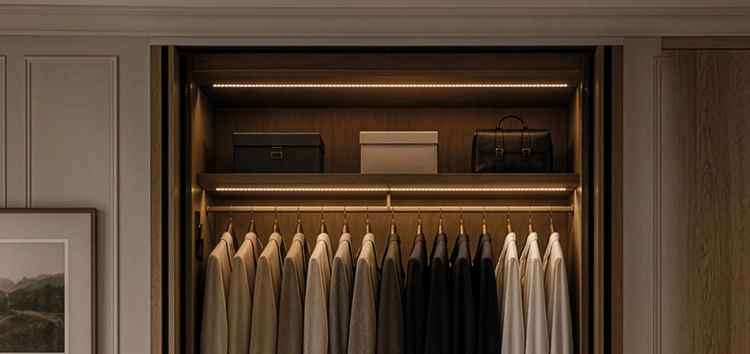
These are built for furniture-scale applications, including fitted wardrobes and cabinet doors. Our range includes soft-close and pivot door options, as well as kits specifically designed for glass-fronted cabinets.
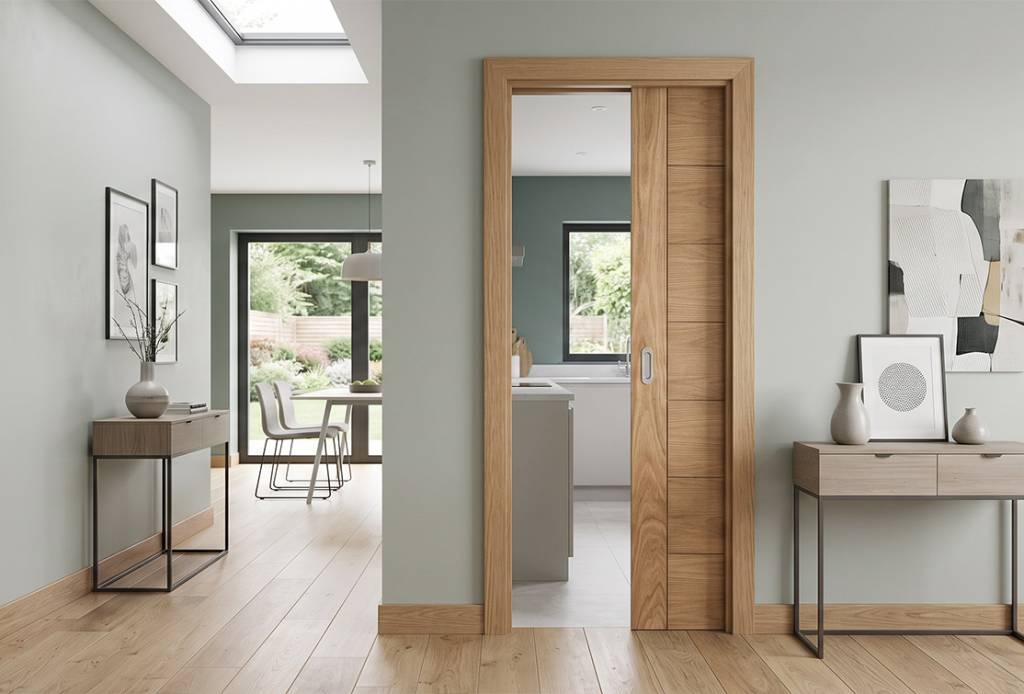
These kits allow a door to slide fully into a cavity wall, disappearing from view when open. We supply both single and double pocket door kits, making them suitable for en-suites, living spaces, and open-plan layouts where floor space is limited.
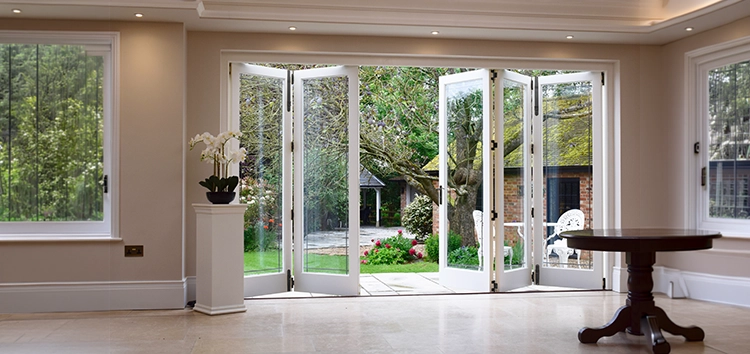
This range covers barn doors, bi-fold patio systems, and heavy-duty exterior applications. Each kit is built to withstand outdoor conditions and higher traffic volumes.
This hardware range is designed for warehouses, agricultural buildings, and large commercial premises, and is available in galvanised steel or stainless steel to suit the environment you’re working in.
If you’re unsure which range applies to your project, be sure to get in touch with our team. With over 35 years of experience, we can point you in the right direction quickly.

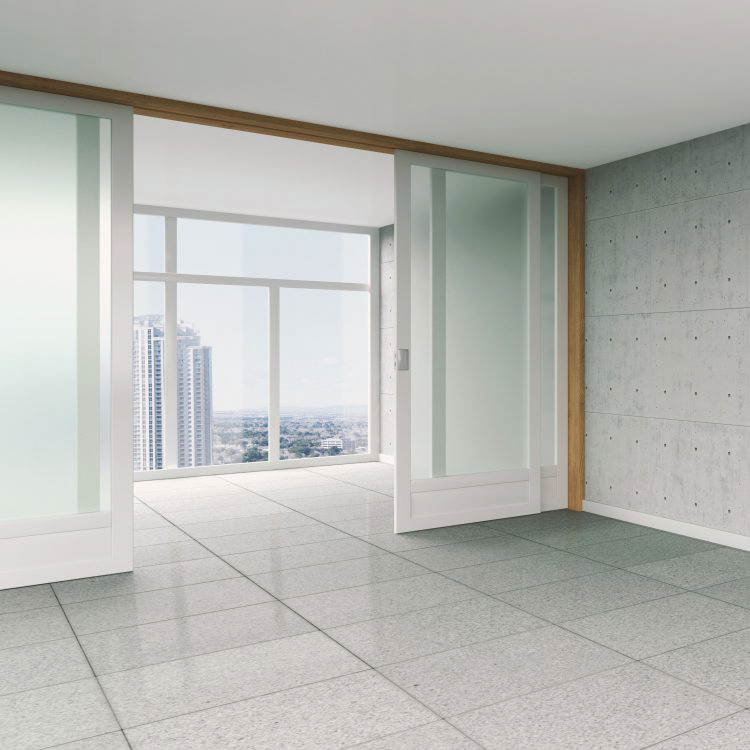
Getting your measurements right before ordering saves heaps of time on-site and helps avoid returns. Here’s what you’ll need:
Measure the door leaf itself to find the width and height in millimetres. This determines the minimum track length required. For bypass systems with two doors, the track needs to accommodate both panels plus overlap.
Weigh the door (or check the manufacturer’s specification if it’s a supplied door). All Runners systems carry a maximum weight rating and exceeding this will affect the longevity of the rollers and hangers.
When a door slides along the face of a wall rather than into a cavity, it needs enough clear wall space beside the opening to park fully when open. As a rule of thumb, you’ll need at least the same width as the door itself, or more for overlapping multi-panel systems.
If your client wants a pocket door, the wall cavity needs to be built around the pocket door frame, rather than the door being fitted into an existing wall. This means the stud wall dimensions should be planned to match the pocket door kit’s required cavity width and height, allowing the door to slide fully into the wall when open.
Before construction begins, check for any pipework, cabling, or structural elements in the path of the cavity, as these will need to be rerouted.
Top-hung systems require a header above the door opening to fix the track. Check there’s sufficient structural material to anchor into; this is particularly relevant in older properties with timber lintels.
One of the most important questions to ask your clients before getting started on their project is whether they’re having their sliding door fitted inside their home or out.
For example, if your client wants to fit an external sliding door, you’ll need to choose weather-proof and corrosion-resistant hardware that provides a high level of security.
Here at Runners, we supply an extensive range of in-building and on-building sliding door systems, that are the ideal choice for various types of doors and internal or external locations.
When specifying external sliding door hardware, weatherproofing isn’t just a box to tick; it directly affects product life expectancy and client satisfaction. Here’s what to look for:
Corrosion resistance: Hardware exposed to rain and moisture needs to be manufactured in stainless steel or treated/galvanised steel. Standard mild steel will rust. For coastal or high-humidity environments, stainless steel (grade 316) is preferable to grade 304.
Sealed or shielded bearings: Outdoor rollers and hangers should use sealed bearings to prevent water ingress and debris build-up. Open bearings are fine for internal use, but will fail prematurely outdoors.
UV-stable finishes: Powder-coated or anodised finishes hold up better than standard paint in outdoor conditions. Check the product specification for UV resistance if the hardware will be in direct sunlight.
Drainage and water management: For bottom-rolling systems on patios or other external applications, consider whether the bottom track design allows water to drain away. Standing water around a bottom track causes wear and corrosion over time.
Runners’ exterior sliding door hardware range is designed and rated for outdoor use. If you’re in any doubt about suitability for a specific environment, get in touch with the team.
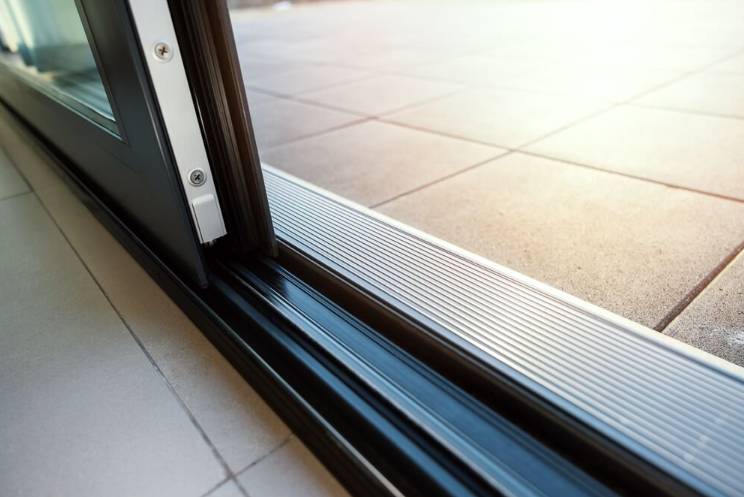

There are several different track types available to support sliding doors, including:
The majority of internal and external sliding door systems are fitted with a top-hung system, where the hangers are fixed to the top of the door to provide sufficient support to carry its weight.
At Runners, we supply several different top-hung systems, from the Evo single and double pocket door kits to the Tommafold 100 Straight Sliding Door System that are ideal for a range of internal sliding door applications.
A bottom rolling system may be a better fit for installations that require enhanced structural support – like orangeries or conservatories, outbuildings, and extensions, for example.
Depending on the system you choose, these systems are designed with one or two rollers that attach to the bottom of the door. They carry the weight of the door from below and provide a stable, reliable solution for clients who need it.
For clients who are going for a more minimalist look, concealed or invisible sliding door tracks for internal doors offer a sliding door experience without exposing the tracks, which can sometimes be an eyesore.
Being fitted to the back of a door, the sliding mechanism is completely hidden – providing a clean, contemporary finish for whatever interior project you’re working on.
Track type (top-hung, bottom-rolling, or concealed) describes how the door is supported. But the mechanism type describes how the door actually moves and opens – and for wardrobe, cabinet, and room divider applications in particular, this is often the primary decision.
Two or more doors that slide past each other on parallel tracks. Common for wardrobe fronts where you want to access one part of the opening at a time. Requires wall run space on each side. No swing clearance needed.
One panel slides along a single exposed track to one side of the opening. Visually striking, suits feature walls and rustic or industrial interiors. Requires clear wall space equal to (or greater than) the door width beside the opening.
Panels fold and conceal to one or both sides of the opening, giving access to the full width. Often used for larger wardrobe openings, room dividers, and patio access doors where full opening width matters. Runners supply both interior bi-fold hardware and exterior bi-fold door hardware.
Pivot doors operate like a standard cabinet door, but rather than swinging open and staying proud of the cabinet, they push back into a pocket recess within the cabinet itself.
This gives a clean look while keeping the door fully out of the way when open, making them ideal for small spaces or areas with restricted swing room.
Our pivot door hardware range is specifically designed for furniture-scale use in fitted wardrobes and cabinets. As the door stores away into the pocket recess rather than swinging outward, there’s no need to factor in floor clearance or swing space at the leading edge, which makes this hardware a great option wherever space is at a premium.


Other important things that will help you determine the most suitable system for your client are the weight and size of the door to be installed.
Sliding door gear is rated based on the maximum weight it can withstand, so be sure to check the weight of your client’s door to be hung to enable you to select a system that can support it sufficiently.
Lighter doors, like hollow-core or MDF for example, require less robust gear than the likes of solid wood or glass doors, so be sure to keep this in mind when making your final selections.
Before ordering sliding door hardware for your professional project, make sure to make a note of the dimensions of the door to ensure the track length and hardware can comfortably accommodate the door’s size.
Sliding door gear is rated by the maximum door weight it can carry. Use this as a starting point when specifying:
| Weight range | Typical door type | Gear specification |
| Under 40kg | Hollow-core internal doors, lightweight MDF cabinet doors | Standard interior gear |
| 40–80kg | Solid timber interior doors, engineered wood | Mid-weight interior or light exterior gear |
| 80–120kg | Solid hardwood, heavy composite, double-glazed panels | Heavy-duty gear required |
| Over 120kg | Industrial, large glazed panels, agricultural doors | Industrial range – consult Runners |
If you’re unsure of the door weight, individual product pages include the maximum load rating for every system. When in doubt, specify up – undersized gear will wear prematurely.
Before recommending a solution for your client, make sure to assess their available space.
Of course, if they have a larger area to work with, their options are virtually limitless, but if they’ve only got a small space, you’ll need to talk them through your suggestions carefully.
Think: will it be best for the door to slide into a cavity wall? Or just along the outside of the wall?
No matter the outcome, our range of sliding door systems ensures you’ve got the ideal solution for every one of your professional projects.
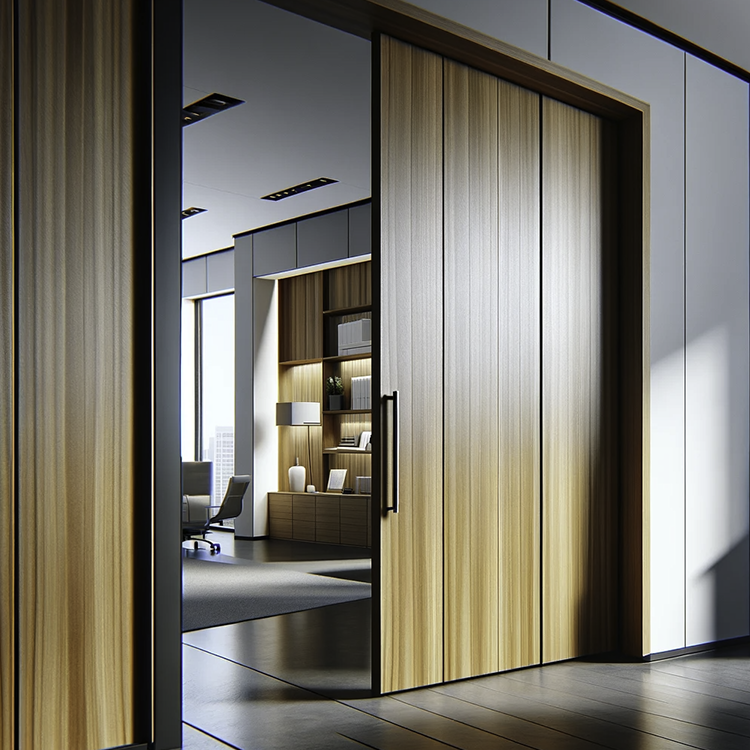
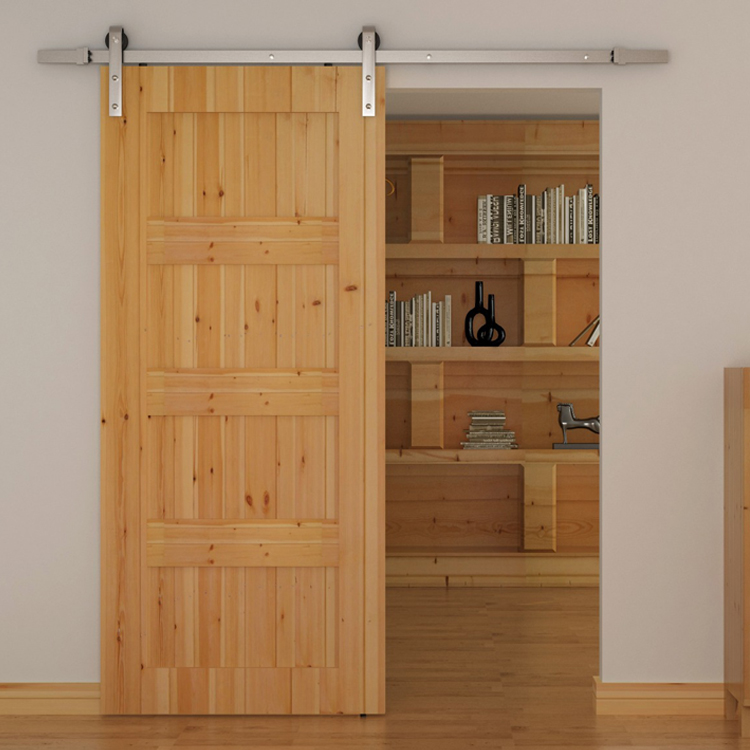
Some systems are better suited to specific types of doors than others, so make sure you choose a kit that’s compatible with your client’s door.
For wardrobe and cabinet applications in particular, the type of door material will affect the weight calculation, and therefore, which product within Runners’ range is the right fit for your project.
A lightweight aluminium-framed wardrobe door, for example, has very different gear requirements to a solid hardwood panel. Once you’ve confirmed the door weight, you can match it to the appropriate system.
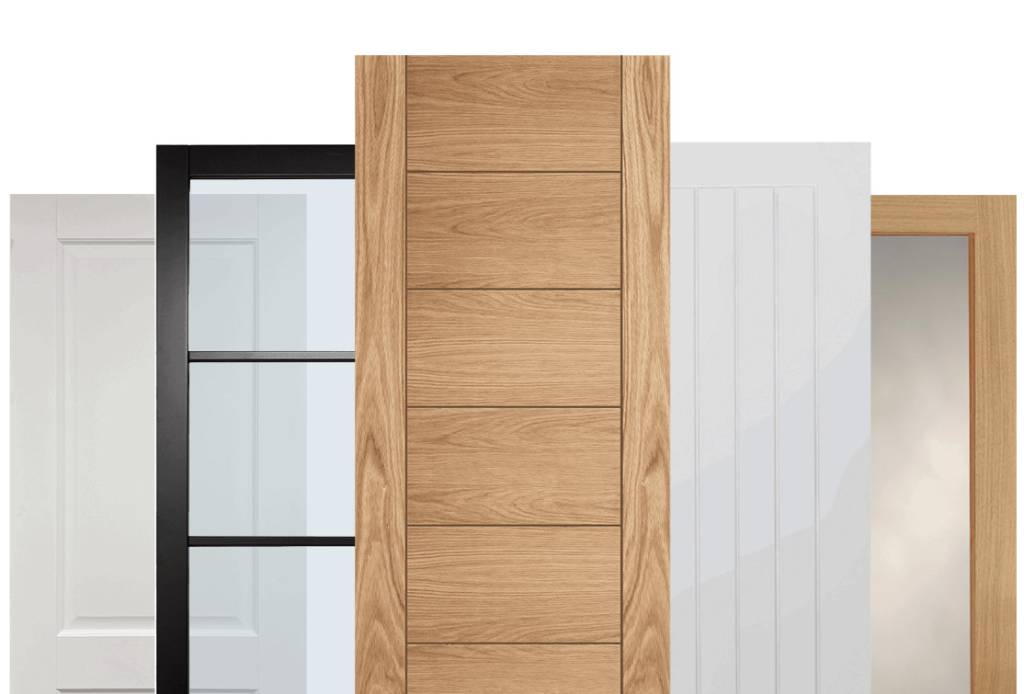
At Runners, all our in and on-system sliding door kits are suitable for use with glass, wood, and metal doors, so you’re guaranteed to find something perfect for the project you’re working on.
Wardrobe and cabinet projects make up a significant proportion of sliding door gear specifications, and they come with considerations that don’t apply to full-size room or exterior doors.
For fitted wardrobe and cabinet installations, soft-close mechanisms are often a client expectation rather than an upgrade. They prevent the door from slamming at the end of its travel and add a premium feel to the finished product. Check whether the system you’re specifying includes soft-close as standard or as an optional add-on – Runners’ wardrobe kits include options for both.
The hardware finish affects both aesthetics and which door styles work with the system. Common finishes include:
Where the track or gear is visible (particularly in open-face wardrobe designs), finish selection should be part of the client conversation. Where it’s fully concealed, function and load rating take priority.
For cabinets with glass door panels, confirm the system is rated for glass. Runners’ tracks for sliding glass doors are purpose-built for this application.
Whether you need help selecting the perfect system for your next project or would like to find out more about a specific mechanism in our collection, our team would be more than happy to help.
Give us a call today on 01280 852421 or send us an email, and we’ll get back to you.


Ordering is faster, and repeat purchases are simpler with Runners Sliding Systems
Discover how My Products and R Points can transform your business operations, streamline purchasing, and lower costs across every order.